

Pool Replastering vs Resurfacing: Which Is Best? (2026 Guide)
If your pool is looking dull, rough, or stained, you have probably heard two words tossed around: replastering and resurfacing. Both fix a tired-looking pool. Both can make it feel brand new. But they are NOT the same thing, and picking the wrong one can cost you time and money. That is why we put together this 2026 guide to pool replastering vs resurfacing.
At QPS Pool Remodeling, we help homeowners across the Houston area bring old pools back to life. In this guide, we will break down what each option really means, what it costs, how long it lasts, and how to choose the right one for your backyard.
What Is Pool Replastering and How Does It Work?
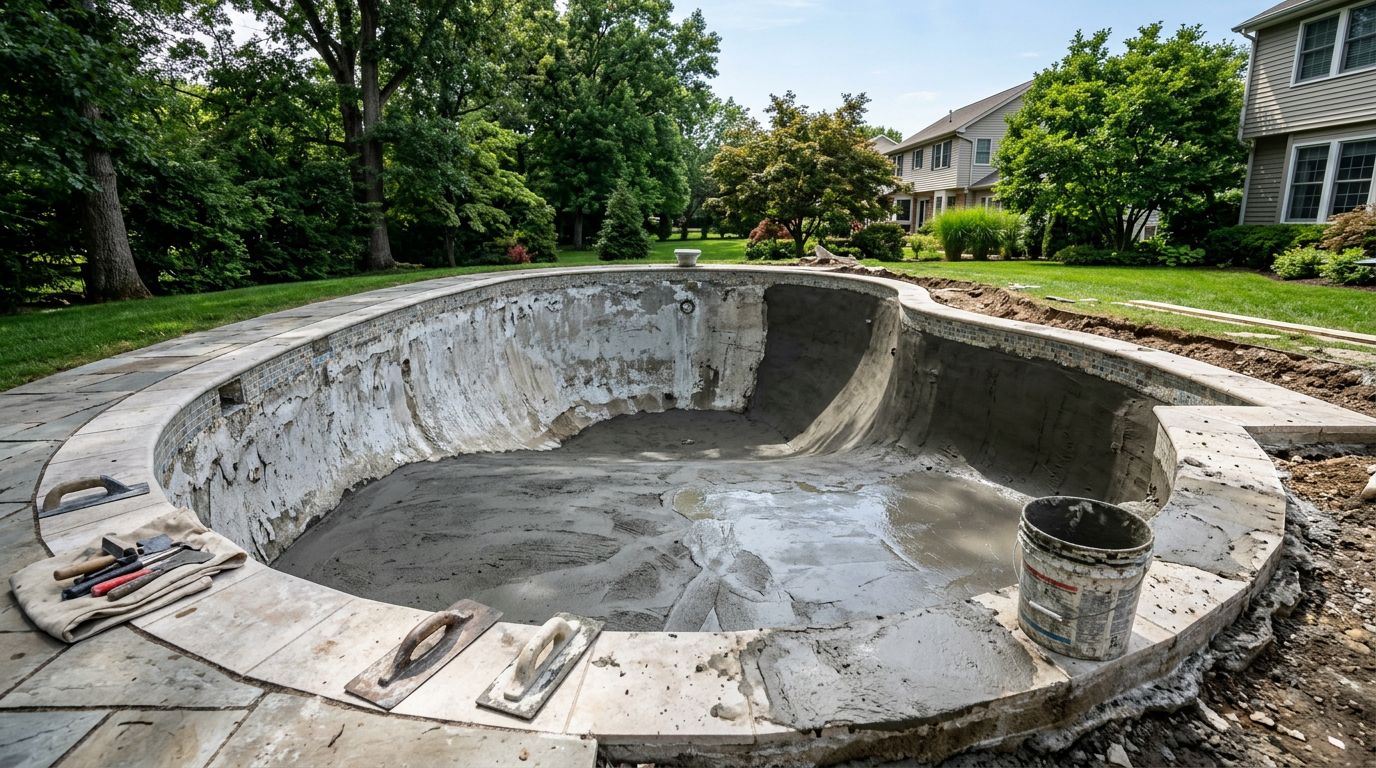
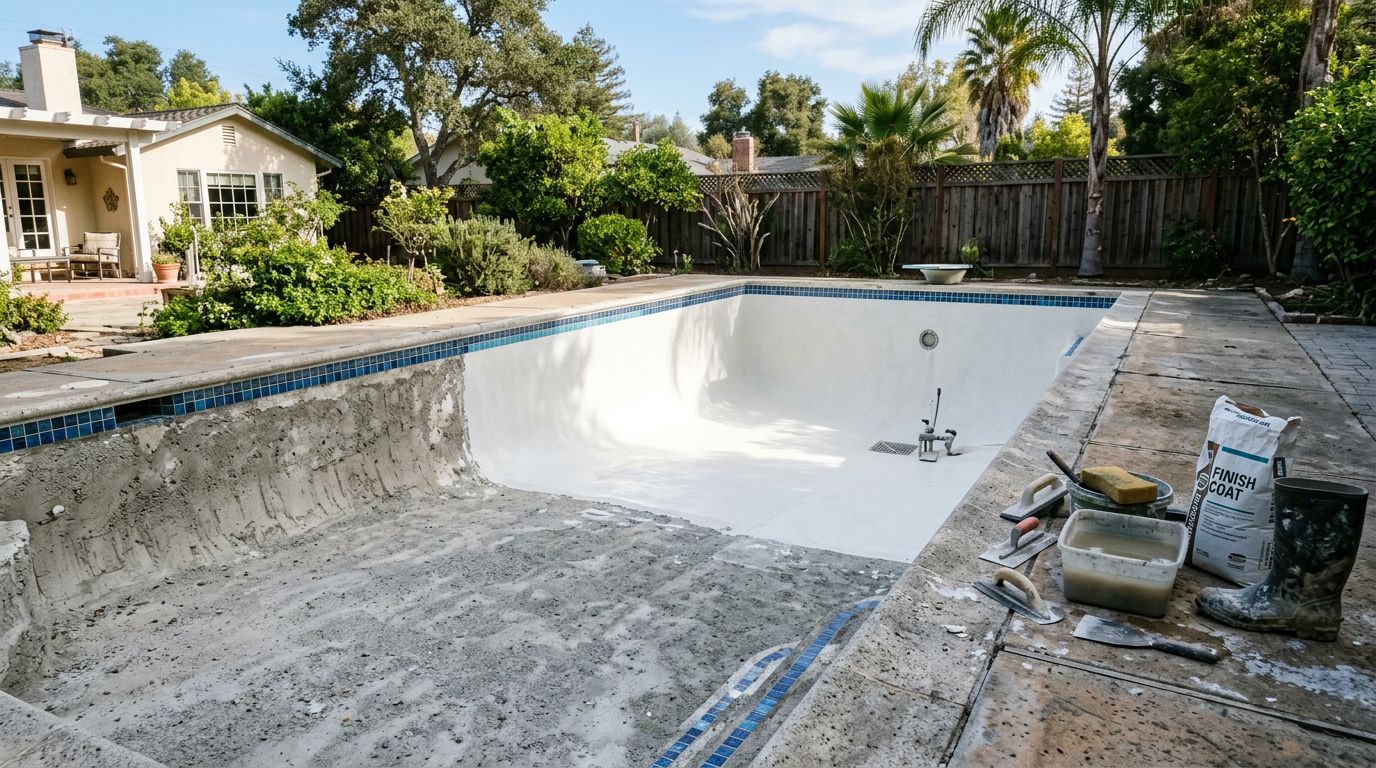
Pool replastering is the process of removing the old plaster layer inside your pool and applying a fresh coat. Plaster is the smooth surface that lines the interior of most gunite and concrete pools. Over time, it wears down, cracks, stains, and gets rough on your feet. Replastering restores that clean, smooth finish and helps your pool hold water properly again.
The process usually involves draining the pool, chipping out the damaged plaster, prepping the surface, and troweling on a new layer. Once the new plaster cures and the pool refills, it looks like a totally different pool. If you want a deeper look at the full service, our team offers expert pool replastering in Missouri City that covers everything from prep to final finish.
- Draining the pool completely so the old surface is exposed.
- Chipping out damaged, hollow, or flaking plaster.
- Cleaning and prepping the bare shell for good adhesion.
- Applying new plaster by hand troweling for a smooth finish.
- Curing and refilling the pool with fresh water.
- Balancing chemicals so the new surface sets correctly.
What Is Pool Resurfacing and What Materials Are Used?
Pool resurfacing is a broader term. It means renewing the entire interior finish of your pool, and that can include plaster or several other materials. Think of replastering as ONE type of resurfacing. When people say resurfacing, they often mean upgrading to a more durable or decorative finish beyond basic white plaster. The material you choose changes the look, the feel, and how long it lasts. If you are planning a bigger update, our full swimming pool remodeling services can combine resurfacing with tile, coping, and deck work.
Standard Plaster
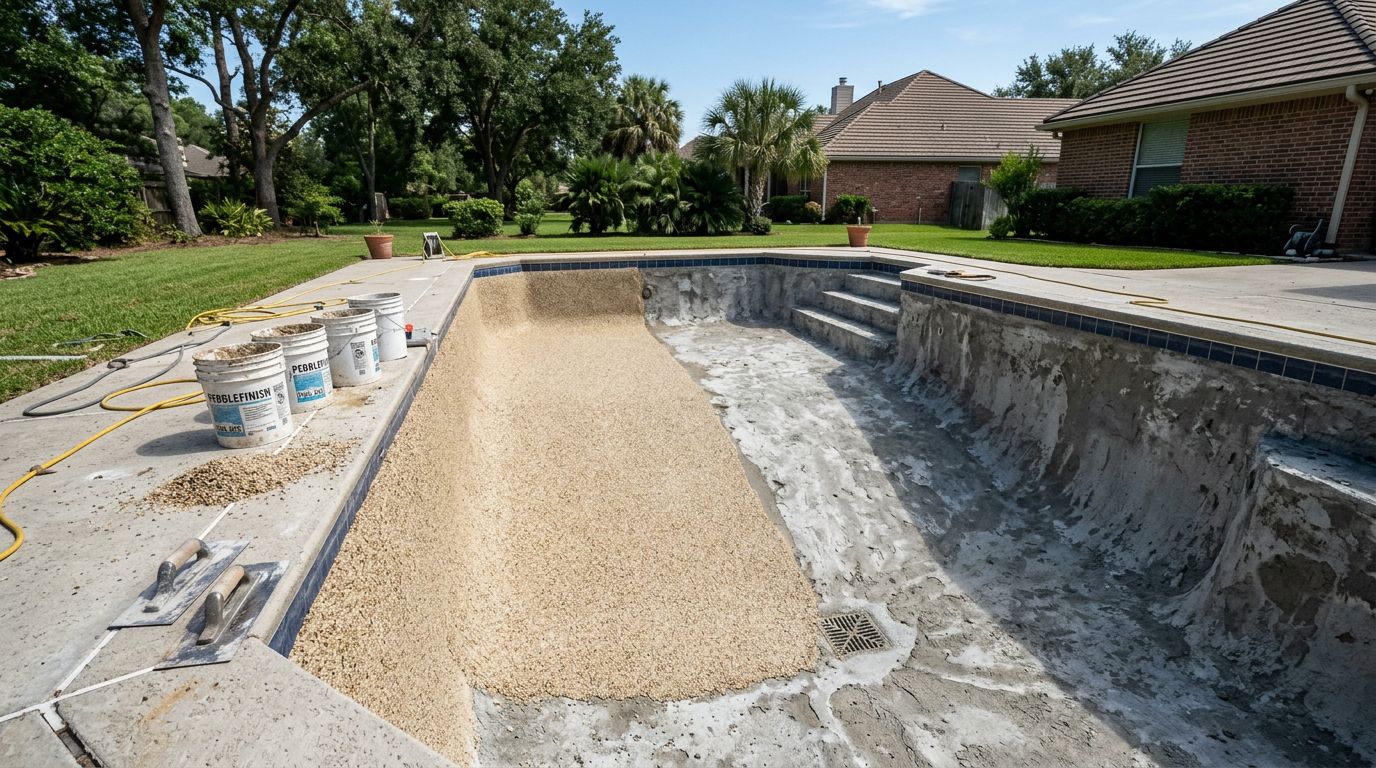
This is the classic white or tinted finish. It is affordable and gives that traditional pool look. It is a great choice for homeowners who want a clean surface without a big upgrade.
Quartz Finishes
Quartz mixes crushed quartz crystals into the plaster. The result is a tougher surface with more color options and a bit of sparkle. It tends to hold up better against staining and wear than plain plaster.
Pebble Finishes
Pebble finishes use small natural pebbles blended into the mix. They create a textured, high-end look and are known for being one of the most durable interior finishes available. Many homeowners love the natural, resort-style feel.
Aggregate Finishes
Aggregate finishes combine materials like glass beads or polished stone. They offer a custom look and strong durability. These are popular for owners who want their pool to stand out.
Pool Replastering vs Resurfacing: Key Differences Compared
Here is where it gets simple. Replastering restores your pool with plaster. Resurfacing gives you the option to keep plaster OR upgrade to a premium finish. The right choice depends on your budget, the shape your pool is in, and the look you want. Below is a quick side-by-side comparison to make the differences clear.
| Factor | Pool Replastering | Pool Resurfacing |
|---|---|---|
| Definition | Applying a fresh plaster layer | Renewing the finish with plaster or premium materials |
| Material Options | Mostly standard plaster | Plaster, quartz, pebble, aggregate |
| Cost | Lower upfront | Higher for premium finishes |
| Durability | Good | Better with quartz or pebble |
| Appearance | Classic, simple | Custom, decorative options |
| Best For | Budget-friendly refresh | Long-term upgrade and style |
How Much Does Pool Replastering vs Resurfacing Cost in 2026?
Cost is usually the deciding factor for most homeowners. Standard replastering is the more affordable route, while premium resurfacing finishes cost more but often last longer. Prices depend on your pool size, the current condition of the surface, and the material you pick. Prep work matters too. If the old surface needs extra cleaning or an acid treatment before the new finish goes on, that can affect the total. Our pool acid wash service is often part of prepping a stained surface before refinishing.
- Standard plaster replastering: the most budget-friendly option for a fresh surface.
- Quartz finishes: a mid-range upgrade with better durability and color.
- Pebble finishes: a higher investment, but one of the longest-lasting choices.
- Aggregate finishes: premium pricing for a custom, high-end look.
- Extra prep work: acid washing, crack repair, or draining can add to the total.
- Pool size: larger pools use more material and labor, which raises the price.
The best way to know your real number is a professional inspection. Every pool is different, and a quick look at your surface tells us a lot about what your project will need.
How Long Does Each Option Last and When Should You Replaster or Resurface?
Longevity depends heavily on the material and how well the pool is maintained. Basic plaster typically lasts a solid stretch of years before it starts to wear. Premium finishes like pebble can last much longer. Beyond the calendar, there are clear signs your pool is telling you it is time. Here is how to know when to act.
- Rough surface: if the interior feels like sandpaper on your feet, the finish is breaking down.
- Staining and discoloration: deep stains that will not scrub away point to a worn surface.
- Cracks and chips: visible cracks let water seep and signal it is time for a refresh.
- Plaster flaking: peeling or hollow spots mean the plaster is failing.
- Constant chemical struggles: a worn surface can make water harder to balance.
- Water loss: if you keep refilling, the surface may no longer hold water well.
- Outdated look: sometimes you just want a new color or style, and that is reason enough.
If you notice more than one of these signs, it is smart to get an inspection before the problem grows. Small issues can turn into bigger, pricier repairs when ignored.
How to Choose Between Replastering and Resurfacing for Your Pool
Choosing comes down to your goals. If you want a clean, classic look on a smaller budget, replastering is a great fit. If you want a durable upgrade, more color options, or a custom style, resurfacing with a premium finish is the way to go. Think about how long you plan to stay in your home, how much you use the pool, and the look you are after. Here are the main things to weigh before you decide.
- Your budget: replastering costs less upfront; premium resurfacing costs more but can last longer.
- Durability needs: heavy use pools benefit from tougher finishes like quartz or pebble.
- Look and style: decide if you want classic white or a decorative, custom finish.
- Current pool condition: severe damage may steer you toward a full resurfacing.
- Long-term value: premium finishes can boost the look and appeal of your backyard.
- Maintenance: some finishes handle staining and chemicals better than others.
We serve homeowners in Missouri City, Sugar Land, Richmond, Pearland, Stafford, Katy, Fresno, Sienna Plantation, Manvel, and Houston. No matter which route you choose, the goal is the same: a pool that looks great and lasts for years.
Conclusion
Pool replastering and resurfacing both breathe new life into a tired pool, but they serve different needs. Replastering is the budget-friendly way to restore a smooth plaster finish. Resurfacing opens the door to premium materials like quartz and pebble for more durability and custom style. Your best choice depends on your budget, your pool’s condition, and the look you want.
If you are ready to refresh your pool the RIGHT way, the team at QPS Pool Remodeling is here to help. Reach out to schedule your inspection and let us help you decide between replastering and resurfacing for your backyard.


